
Why That Heel Pain Won't Go Away

Updated: Aug 4
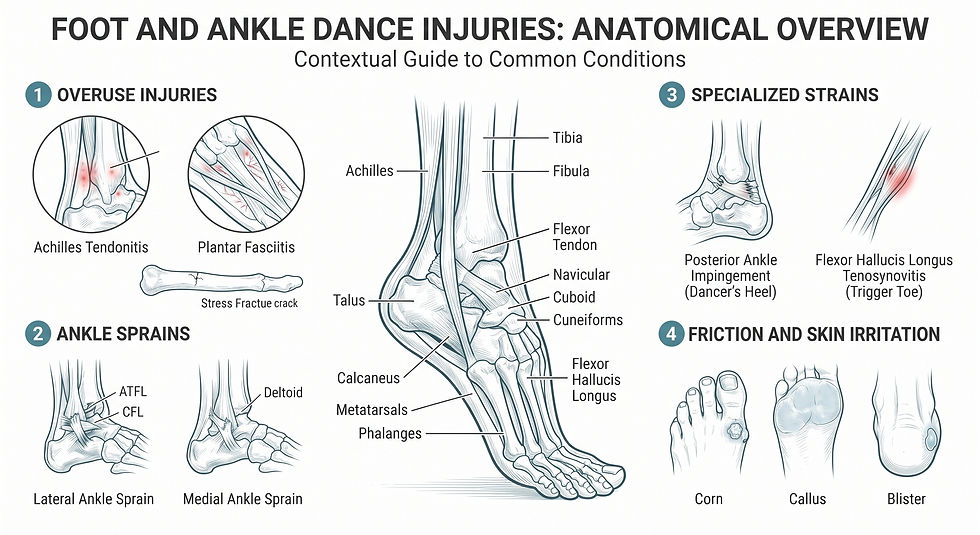
If you’ve ever rolled out of bed in the morning, taken that very first step, and felt a sharp, stabbing pain shoot through your heel, you are far from alone. In my practice here at Elk Grove Foot and Ankle Clinic, it is one of the most common complaints I hear from patients. That morning agony is classic plantar fasciitis, and while it often loosens up as you walk around, ignoring it usually turns a minor nuisance into a stubborn roadblock that keeps you off your feet.
Let's talk through the options and why starting with conservative treatment is almost always your best bet.
When it comes to treating plantar fasciitis, you generally have a spectrum of choices ranging from home care to advanced clinical interventions:
Conservative care: This includes targeted stretching routines, night splints, supportive footwear modifications, anti-inflammatory strategies and custom orthotics.
Minimally invasive interventions: If conservative steps need a little extra boost, we can look at options like specialized physical therapy or corticosteroid injections to calm down acute inflammation.
Surgical options: Surgery is exceedingly rare for plantar fasciitis and is reserved only for cases that haven't responded to anything else after many months.
Why Conservative Treatment Is Your Best Option
My philosophy as a podiatrist is always to resolve the issue with the least invasive method possible before considering surgery. Here is why conservative management works:
It treats the root cause: Instead of just masking pain with medication, conservative treatments aim to fix the biomechanical flaws that put excessive strain on your plantar fascia in the first place.
Zero downtime: Surgeries and invasive procedures come with recovery periods, risks, and time off your feet. Conservative options let you keep living your life while you heal.
Long-term protection: By correcting your gait and support structure early on, you prevent the cycle of chronic reinjury.
Why Custom Orthotics Are a Game Changer
You can buy dozens of over-the-counter shoe inserts at the pharmacy, but they are built for an average foot that doesn't actually exist. Your feet are unique, which means the way you distribute weight, strike the ground, and arch your foot requires a personalized approach.
At EGFAAC, we design custom orthotics tailored to your foot's contours and biomechanical needs. When you wear custom orthotics:
They cradle your arch and redistribute pressure evenly across your sole.
They correct abnormal motion, such as excessive pronation, that pulls and stretches the plantar fascia with every step.
They provide structural cushioning that absorbs impact shock before it reaches your heel.
Plantar fasciitis can be frustratingly persistent, but you don't have to just live with the morning limp. If your heels are telling you it's time for a change, come see me at the clinic. Let's get you back on your feet.
Medical Disclaimer:
The information provided in this blog post is for general informational and educational purposes only and is not intended to be a substitute for professional medical advice, diagnosis, or treatment. Always seek the advice of your physician, podiatrist, or other qualified health provider with any questions you may have regarding a medical condition. Never disregard professional medical advice or delay in seeking it because of something you have read on this website.


Comments