
When the Heel Bone Needs Healing

When someone walks into my office after a severe fall or a sudden accident, and they are in acute pain with noticeable bruising and swelling around the heel and ankle, I know we are looking at something serious. At Elk Grove Foot and Ankle Clinic one of the most significant injuries we treat is a fracture of the calcaneus, or the heel bone.

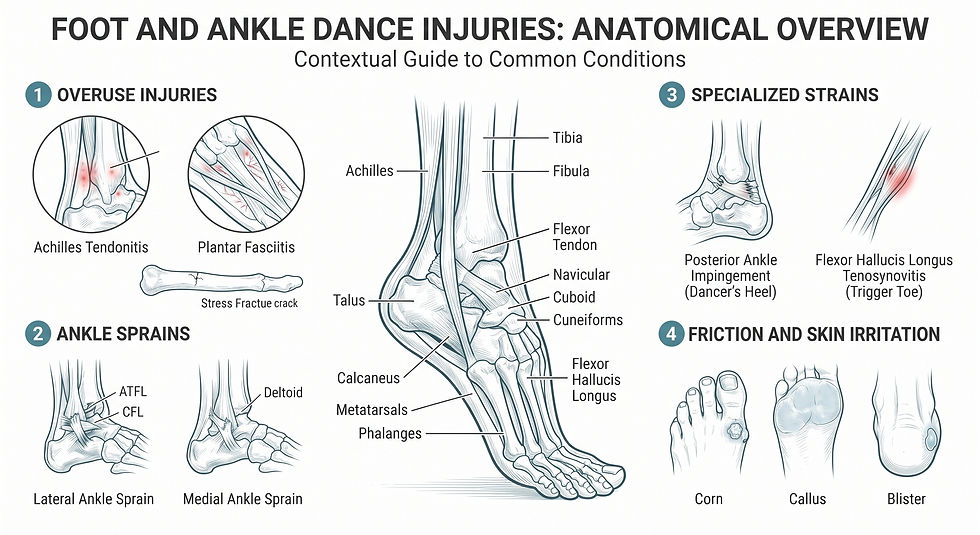
The calcaneus forms the vital foundation of the rear part of your foot. I often explain to my patients that the heel bone is structured a bit like a hardboiled egg: it features a thin, hard outer shell with softer, spongy bone on the inside. When that outer shell takes a heavy blow, the bone can collapse or fragment. Because of this unique structure, a calcaneal fracture is never just a minor bump in the road; it is a major injury that requires careful, expert evaluation.
How Do These Fractures Happen?
Most of the time, calcaneal fractures are the result of a significant impact—such as falling from a height like a ladder, or being involved in an automobile accident where the foot is jammed against the floorboard. Less frequently, we also see stress fractures of the calcaneus, which develop gradually over weeks due to repetitive overuse or high-impact stress on the bone.
When I examine a patient, my first priority is getting a clear picture of the damage using advanced imaging and x-rays. We need to find out if the fracture extends into the subtalar joint, the critical joint right above the heel bone that allows your foot to move normally. Fractures that involve this joint are called intra-articular fractures, and they require an especially precise approach to prevent long-term complications like joint stiffness or arthritis.
The Path to Recovery
When it comes to treatment, every patient's plan is completely unique. Depending on the severity and type of the fracture, we look at two main paths:
Nonsurgical Care: For certain fractures or stress injuries, we can rely on conservative management. This is where the classic R.I.C.E. protocol comes in: Rest (staying entirely off the foot), Ice to control swelling, Compression with bandages or stockings, and Elevation. We may also use a specialized cast or boot to keep the bone completely immobilized while it heals.
Surgical Reconstruction: For displaced or severe traumatic fractures where the bone has collapsed or the joint is disrupted, surgery is often necessary. The goal is to carefully reconstruct the anatomical shape of the heel and restore proper alignment to the joint.
No matter which path we take, physical therapy always plays a vital role in the journey back to mobility. Regaining strength, flexibility, and a normal gait takes time, patience, and dedication.
You Don't Have to Walk This Journey Alone
Dealing with a heel fracture can feel overwhelming, especially because it impacts your ability to move through your everyday life. But please know that with the right care, rehabilitation, and support, healing is entirely possible.
If you or a loved one has experienced a foot injury or is dealing with persistent, severe heel pain, please come see us at Elk Grove Foot and Ankle Clinic. I am here to help you navigate your options, answer your questions, and get you safely back on your feet.
At Elk Grove Foot and Ankle Clinic, we treat your feet!
Medical Disclaimer: The information provided in this post is for general informational and educational purposes only and is not intended to be a substitute for professional medical advice, diagnosis, or treatment. Always seek the advice of your physician, podiatrist, or other qualified health provider with any questions you may have regarding a medical condition.

Comments